
Pet Parasite Prevention and Control at Wheelersburg Animal Hospital in Wheelersburg, OH
Wheelersburg Animal Hospital in Wheelersburg, OH offers pet parasite prevention and control to protect your pet’s health year-round.
Pet Parasite Prevention and Control in Wheelersburg, OH
Protecting pets from parasites is an essential part of lifelong veterinary care. At Wheelersburg Animal Hospital, we provide thorough, individualized plans for pet parasite prevention and control in Wheelersburg, OH. Our team is committed to identifying risks early, providing effective treatments, and helping pet owners reduce parasite exposure in the home environment.
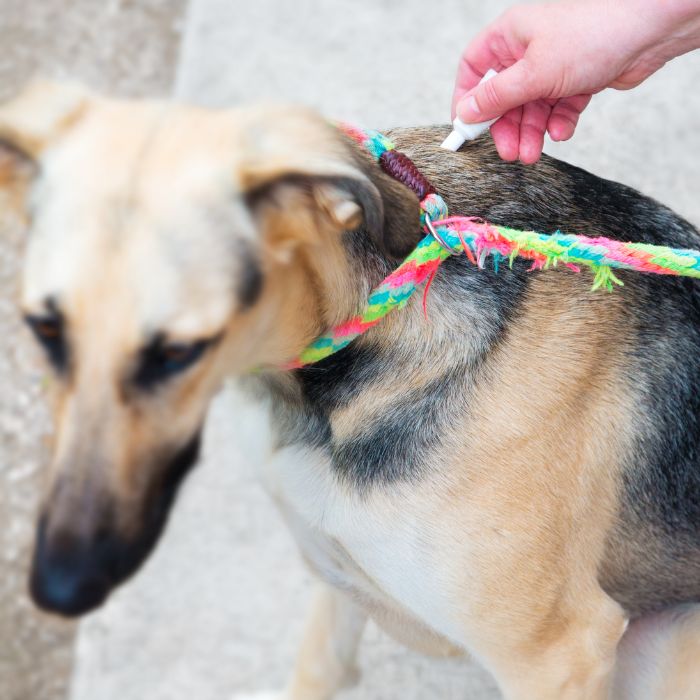
Why Parasite Control Matters
Parasites can pose serious health risks to dogs and cats. Some, like fleas and ticks, are external parasites that feed on your pet’s blood and can transmit harmful pathogens. Others, such as roundworms, hookworms, and heartworms, live internally and may cause chronic illness or life-threatening complications.
Fleas and ticks may carry diseases such as:
- Lyme disease
- Ehrlichiosis
- Bartonella (which can also infect humans)
Mosquitoes transmit heartworm larvae, which can travel through the bloodstream and settle in the lungs or heart, leading to long-term damage or death if untreated. Intestinal parasites—including roundworms, hookworms, and whipworms—may be transmitted through contaminated environments and can affect both pets and humans. Some pets may show signs such as vomiting, weight loss, or diarrhea, but others may not show symptoms until the condition becomes more severe.
What to Expect During a Parasite Prevention Visit
When you bring your pet to our hospital for parasite control, we start with a physical exam and may recommend diagnostic testing based on their lifestyle and symptoms. Many parasites are difficult to detect without specific screening tools. Some are microscopic, and others may remain hidden under fur or in the intestinal tract without producing visible symptoms.
As part of pet parasite prevention and control in Wheelersburg, OH, we may recommend:
- Year-round flea and tick prevention
- Annual heartworm testing and monthly preventives
- Fecal exams to detect intestinal parasites
- Deworming protocols, especially for puppies and kittens
- Environmental control recommendations for your home and yard
Parasite Prevention for Puppies and Kittens
Young pets are especially vulnerable to parasites. They often acquire worms from their mothers or the environment and can experience more severe symptoms due to their smaller size and developing immune systems. Routine deworming, testing, and early preventive measures are an important part of pediatric veterinary care.
Customized Prevention Plans for Every Pet
Not every pet has the same risk factors. Outdoor pets, pets who travel frequently, or those exposed to wooded or grassy areas may be more prone to picking up parasites. Indoor pets are also at risk, especially if parasites are introduced through shoes, other animals, or windows left open during warmer months.
At Wheelersburg Animal Hospital, we tailor prevention programs to reflect your pet’s needs. Our team will guide you on safe, veterinarian-recommended products to protect your dog or cat against the most common parasites in southern Ohio.
Benefits of Pet Parasite Prevention at Wheelersburg Animal Hospital
- Early detection through diagnostic testing
- Year-round prevention tailored to your pet’s lifestyle
- Help identify symptoms and monitor progress
- Safe and effective treatment options if parasites are present
- Strategies to minimize parasite exposure in your home
Book a Parasite Prevention Visit
Routine veterinary exams and preventive care help catch issues early and reduce long-term risks. If you’re looking for professional guidance on pet parasite prevention and control in Wheelersburg, OH, our team is here to help. From selecting the right preventive products to creating a plan that fits your pet’s needs, we make it easier to protect your dog or cat from common threats.
To get started, book an appointment with Wheelersburg Animal Hospital and take the next step in protecting your pet’s health.